
CTV vs. Traditional Local TV in Louisiana: Where Ad Dollars Go Further
How Connected TV compares with local broadcast and cable for Louisiana businesses: targeting, budget flexibility, frequency control, and measurable results.

For decades, Louisiana businesses that wanted to be known around town bought airtime on local broadcast stations or regional cable. A commercial during the evening news or a Saturday football game put your name in front of families across Shreveport-Bossier, Baton Rouge, Lafayette, and New Orleans.
The TV is still the biggest screen in most homes. What has changed is how people watch it. In August 2026, streaming made up 49.6% of all TV viewing in the U.S., according to Nielsen’s The Gauge—more than broadcast (17.5%) and cable (18.9%) combined.
If you own a local business or run its marketing, that raises a practical budget question: dollar for dollar, does your money go further on Connected TV or on traditional local TV?
What’s the Difference Between Traditional TV and Connected TV?
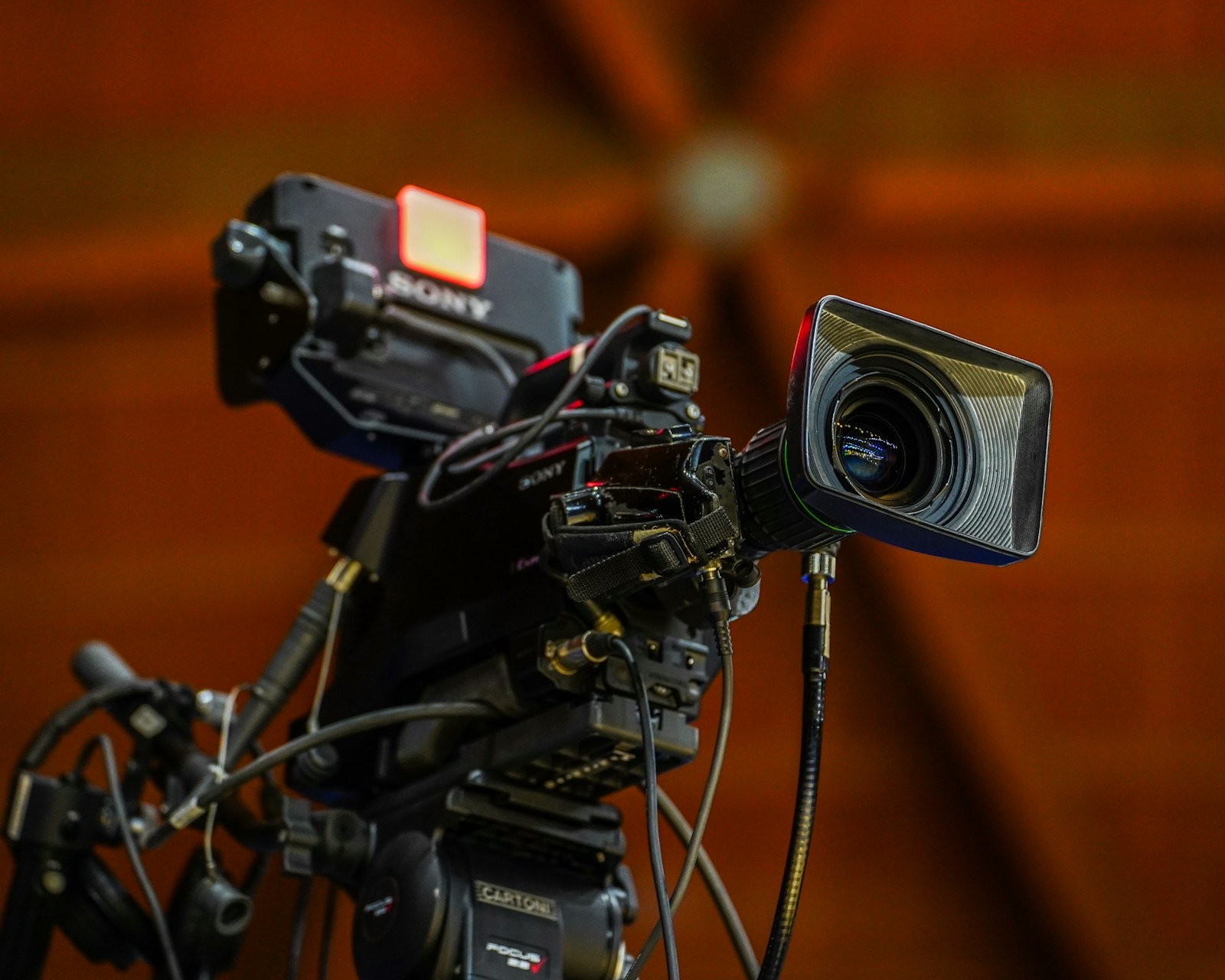
Both put a full-screen video commercial on the TV. The difference is how the ad is bought, who sees it, and how you measure what it did.
Traditional linear TV (broadcast and cable): You buy time slots or programs across an entire Designated Market Area (DMA). Everyone watching that channel at that moment sees the same commercial, whether or not they would ever buy from you.
Connected TV (CTV): Ads are delivered over the internet to smart TVs and streaming devices such as Roku, Apple TV, Amazon Fire TV, and gaming consoles. Instead of buying a channel or a time slot, you buy impressions in the households you want to reach, chosen by location, demographics, and purchase-intent signals.
CTV vs. Traditional Local TV at a Glance
Four differences have the biggest effect on what you get for your budget:
Factor | Traditional Local Broadcast & Cable | Connected TV (CTV) |
|---|---|---|
Geographic Precision | The entire DMA, which often includes dozens of parishes outside your service area. | Zip codes, a radius around each location, or specific households in your trade area. |
Audience Targeting | Broad demographics estimated from program ratings and panel surveys. | Household data such as income, homeownership, and in-market shopping signals. |
Budget & Flexibility | Station packages often come with minimum spends, fixed flight dates, and little room for changes once the flight starts. | Lower entry budgets, with pacing, targeting, and creative that can be adjusted while the campaign runs. |
Measuring Results | Estimated reach (GRPs) and watching for call volume to rise. | Cross-screen attribution that connects ad exposure to website visits, form fills, and, where location data is available, store visits. |
Want to see what your budget could reach? The CTV ROI calculator estimates households, site visits, and leads for any Louisiana market.
4 Reasons Louisiana Businesses Are Moving Budget to CTV
1. Stop Paying for Viewers Outside Your Market
If you run a medical clinic in Shreveport, a home services company in Baton Rouge, or a car dealership in Lafayette, a broadcast spot also reaches viewers 60 miles away who are never going to drive to you. With CTV, you choose the zip codes your ads run in, so far more of your budget reaches people who could realistically become customers.

You can see the TV household count for each Louisiana market on our Markets page.
2. Reach Households That Stream Instead of Subscribing to Cable
Many households have dropped cable and satellite altogether. If your ads run only on linear TV, you miss the younger homeowners, busy families, and professionals who now watch live sports, local news, and shows through apps like Hulu, Peacock, Paramount+, and ESPN.
3. Control How Often Each Household Sees Your Ad
On local cable, one viewer can see your commercial several times during a single game while another prospect never sees it at all. Programmatic CTV lets you cap frequency at the household level, so your budget spreads across more of your audience instead of piling up on the same viewers.
4. Follow Up After the Commercial Ends
A traditional TV spot is over when the 30 seconds are up. With CTV, the commercial can be the start of a campaign. Using household device graphs, we can follow up with CTV-exposed households through Online Video and display ads on their phones and laptops, so your brand is still in front of them when they’re ready to call or visit your website. Here’s how cross-screen attribution works.
When Does Traditional Local TV Still Make Sense?
Broadcast TV still draws large audiences, especially for live events. For statewide awareness campaigns, public announcements, or major live broadcasts where reaching as many people as possible at the same moment is the whole point, linear TV can still be the right buy. But if your goal is leads and new customers, and you want to see what you paid for each one, CTV gives you far more control over where your budget goes and a clearer view of what it returns.
Make Every Impression Count Across Louisiana
You shouldn’t have to guess whether your TV budget is working. CTV keeps the impact of a commercial on the biggest screen in the house and adds the targeting and measurement that traditional TV can’t offer.
geauxdigital.ai builds full-funnel video campaigns for Louisiana businesses, pairing Connected TV with Online Video, Display, and Streaming Audio so you can see what each part of your campaign returns.
Schedule a strategy call with geauxdigital.ai to review your current media mix and see how much further your ad dollars can go with programmatic CTV.